
Kecak, Legong and Barong: a guide to Balinese dance
Which Balinese dance should you watch, and where? The stories behind Kecak, Legong and Barong, the gamelan that drives them, and how to choose a performance.
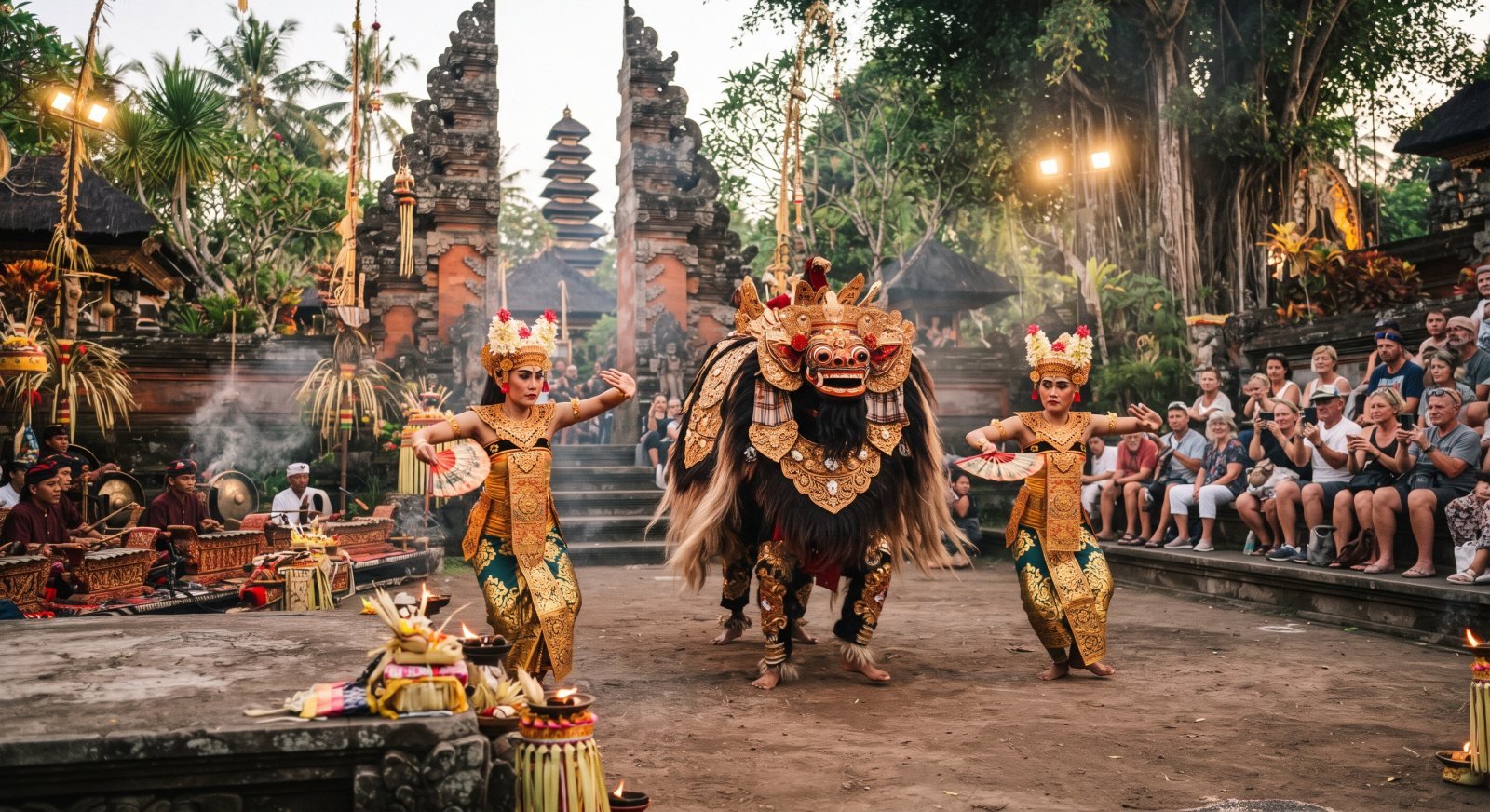
Dance in Bali is not only entertainment: it is an offering, a way of telling Hindu epics, and a skill passed from village teachers to children from a very young age. In 2015 UNESCO inscribed "Three genres of traditional dance in Bali" on its list of Intangible Cultural Heritage, recognising sacred, semi-sacred and entertainment dances alike.
Kecak — the chorus of "cak"
Kecak is performed by a circle of dozens of bare-chested men who chant "cak-cak-cak" in interlocking rhythms, without instruments. In the middle, dancers act out scenes from the Ramayana: the abduction of Sita, the search by Rama and the monkey general Hanuman, and the burning of Ravana's kingdom.
The dance grew out of the sanghyang trance ritual and took its modern form in the 1930s in Bona, Gianyar, with input from the German painter Walter Spies. Today the most famous stage is the clifftop at Uluwatu Temple at sunset, when the fire scene happens just as the sky turns orange. See it on our Uluwatu Kecak sunset tour or combine it with seafood on Jimbaran beach in the Uluwatu, Kecak & Jimbaran dinner tour.
Legong — grace in every finger
Legong is danced by young women in shimmering gold costumes and frangipani headdresses. Its movements are tiny and precise: darting eyes, trembling fingers, sharp turns of the head. The classic Legong Kraton tells the story of a king who kidnaps a princess. Evening performances in Ubud — at the palace or village halls — are accompanied by a full gamelan orchestra of bronze metallophones, gongs and drums.
Barong and Rangda — good versus evil
The Barong is a lion-like protective creature operated by two dancers, full of humour and mischief. Rangda, the widow-witch with long fangs and nails, represents destructive power. Their battle never ends with a clear winner, because Balinese philosophy holds that good and evil must stay in balance. In the dramatic finale, men in trance turn their kris daggers against their own chests — protected, it is said, by the Barong's magic.
Morning performances in Batubulan are the easiest to combine with a day trip; our Barong, Celuk & Ubud tour continues to silver and wood-carving villages.
Other dances you may see
- Pendet — a welcoming dance with flower petals, often opening performances.
- Baris — a solo warrior dance with strong, angular movements.
- Joged Bumbung — a social dance with bamboo music where dancers invite the audience to join.
- Wayang kulit — the shadow puppet theatre, technically not dance, but often performed at night.
Tips for watching
- Arrive early for good seats, especially at Uluwatu in high season.
- Buy tickets at official counters; prices are posted.
- Uluwatu has many monkeys: keep sunglasses, hats and phones secure.
- Sacred dances in temples during ceremonies are not shows — watch only if invited and stay at the back.
General information, reviewed periodically. Rules and prices in Bali change — check official sources before you travel or invest.
Keep reading
All articles → Art & Culture
Subak: Bali's 1,000-year-old rice terraces and water temples
The green staircases of Tegallalang and Jatiluwih are not just pretty — they are run by a democratic water system linked to temples. How su…
 Art & Culture
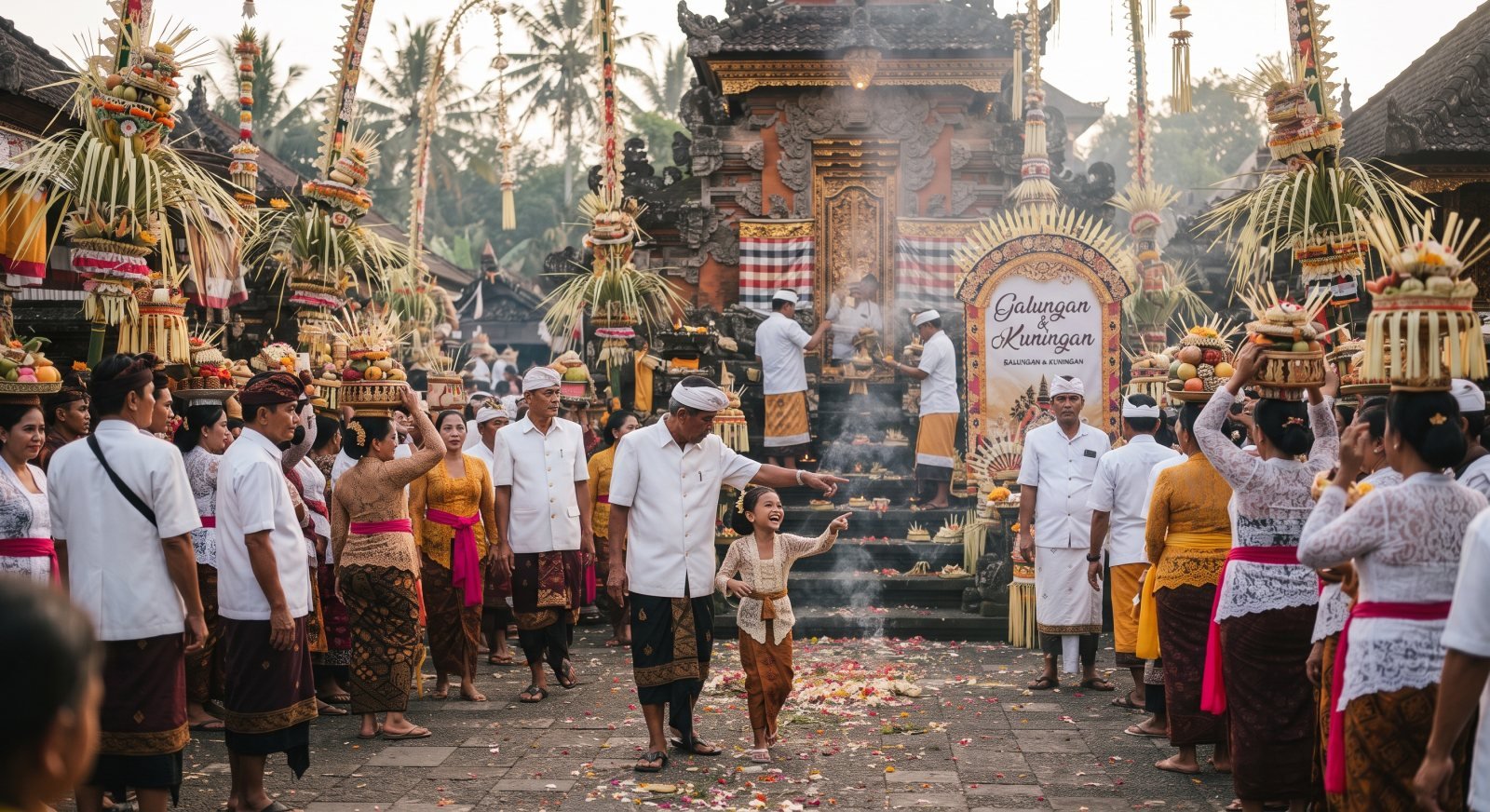
Galungan and Kuningan: when bamboo arches line every road in Bali
Every 210 days Bali celebrates the victory of dharma over adharma. Tall decorated bamboo poles appear outside every home — here is what Gal…
 Art & Culture
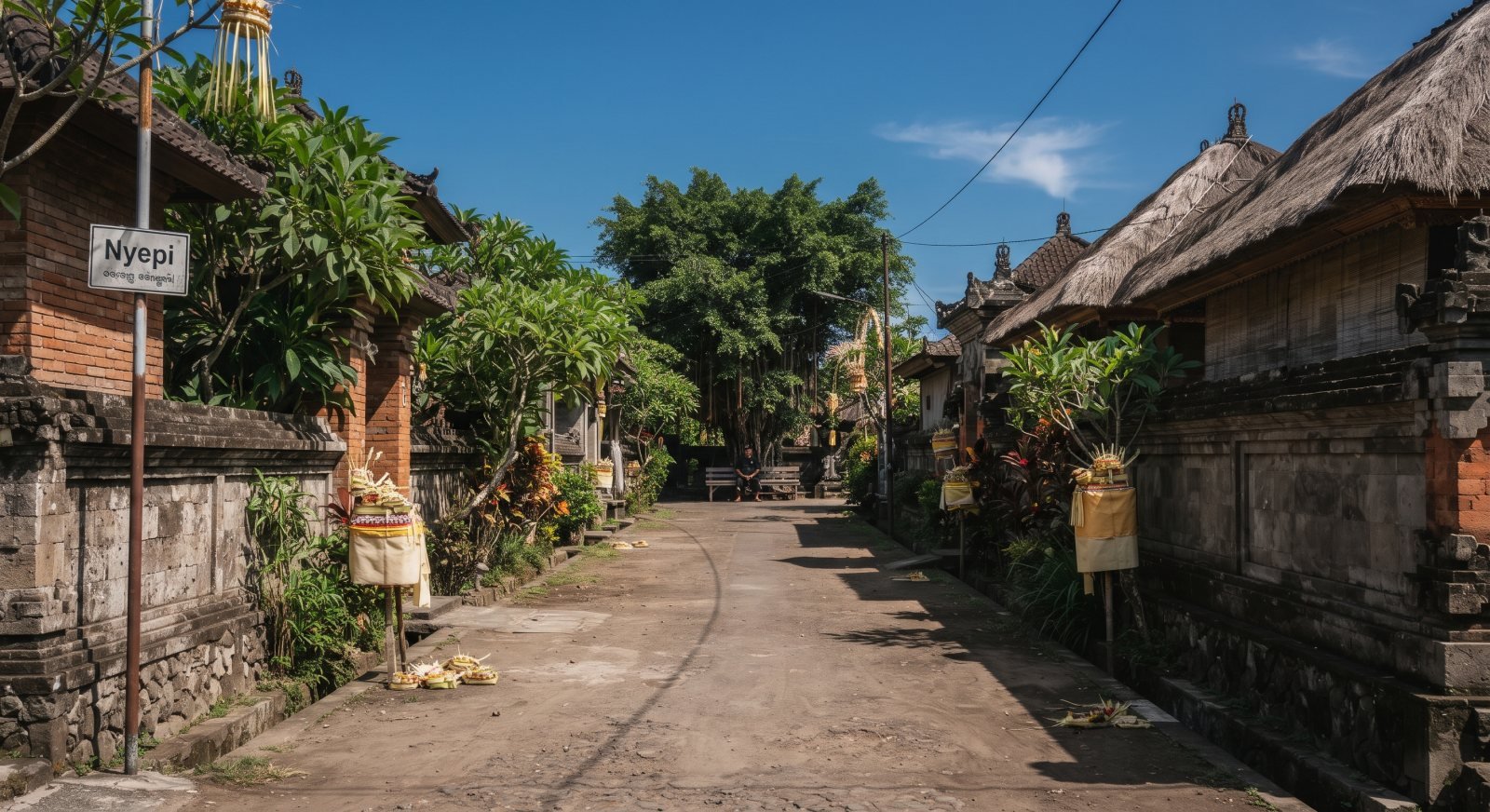
Nyepi, Bali's Day of Silence: a guide for visitors
Once a year the whole island stops: no flights, no traffic, no lights. What happens before, during and after Nyepi, and how to plan your ho…