
Subak: Bali's 1,000-year-old rice terraces and water temples
The green staircases of Tegallalang and Jatiluwih are not just pretty — they are run by a democratic water system linked to temples. How subak works and where to see it.
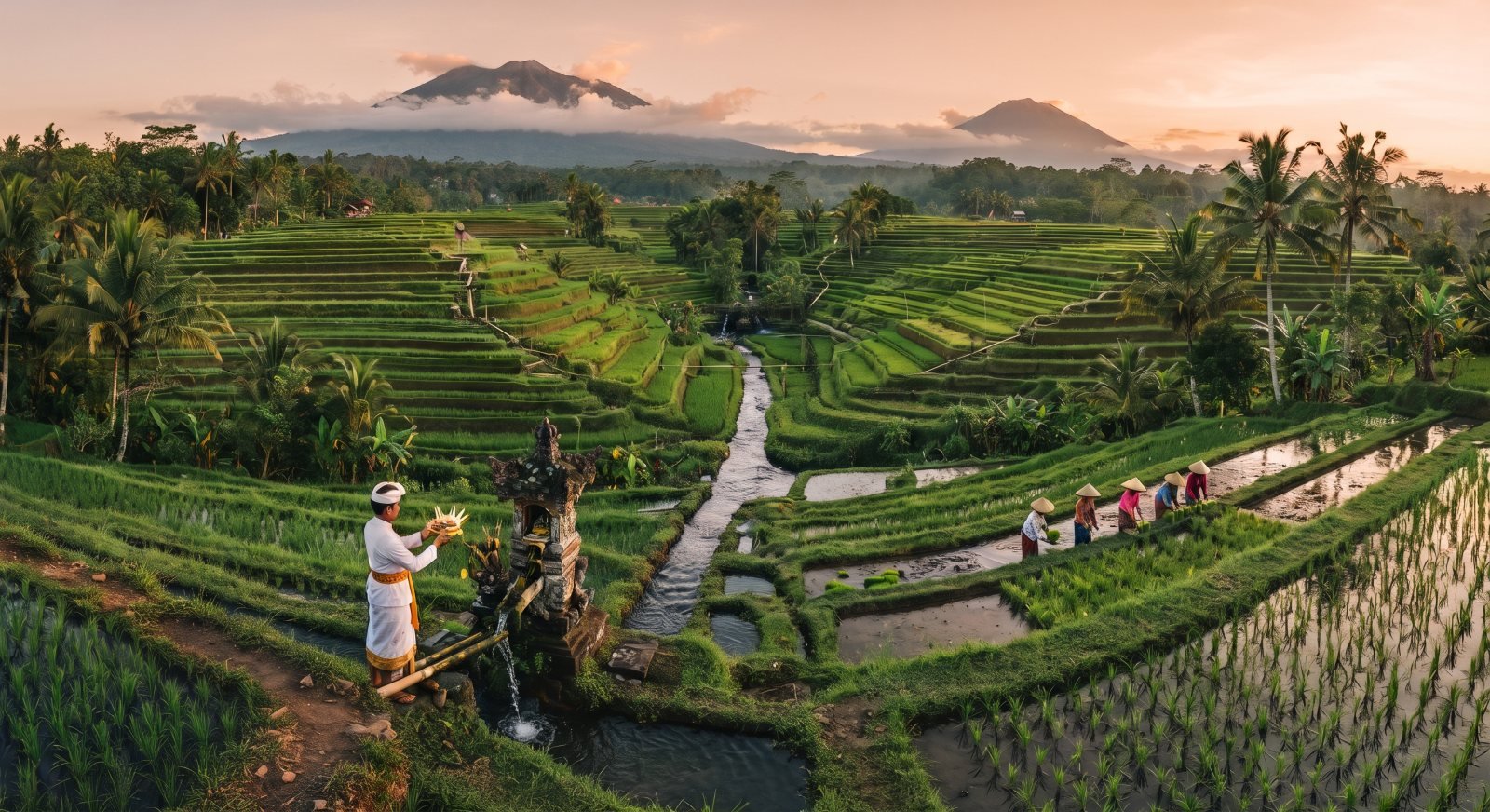
The rice terraces of Bali are one of Asia's most photographed landscapes. Behind the postcard is a social and spiritual system called subak, which has managed water on the island for around a thousand years — the earliest references appear in inscriptions from the 9th to 11th centuries.
How subak works
A subak is an association of farmers who share water from the same source. Water flows from crater lakes and springs through tunnels, channels and bamboo splitters to each terrace. Every subak has a water temple, and the whole network is tied to great lake temples such as Ulun Danu Batur and Ulun Danu Beratan.
Farmers meet regularly to agree on planting schedules, share work, and resolve conflicts. Coordinated planting means fields rest at the same time, which naturally reduces pests — an insight that researchers have studied for decades. The system is a living example of Tri Hita Karana: harmony with God (temples), people (the farmers' meeting) and nature (water and soil).
In 2012 UNESCO listed the "Cultural Landscape of Bali Province: the Subak System as a Manifestation of the Tri Hita Karana Philosophy" as a World Heritage Site. It includes the Jatiluwih terraces in Tabanan, the Pura Taman Ayun royal water temple, Lake Batur and its temple, and subak landscapes along the Pakerisan river.
Where to see the terraces
Tegallalang (north of Ubud)
Steep, dramatic terraces next to cafés and jungle swings. Easy to combine with Ubud and Tirta Empul — see our Kintamani, Tirta Empul & Ubud tour or the Ubud swing & waterfall day. Go early to avoid crowds.
Jatiluwih (Tabanan)
The largest and most traditional landscape, with wide valleys and a view of Mount Batukaru. Walking trails range from 30 minutes to a few hours. It fits well with Ulun Danu Beratan temple on our Tanah Lot & Bedugul tour.
Sidemen (Karangasem)
A quiet valley in east Bali with Mount Agung behind the fields and weaving villages nearby.
Best time to visit
Rice is planted and harvested at different times in different subaks, so you can find green fields all year. Harvest brings golden colours; just after planting the terraces become mirrors of water. Early morning gives soft light and fewer visitors.
Visit respectfully
- Stay on paths and dykes; never walk on planted rice.
- Some terraces ask for a small donation or entrance fee — it supports farmers who maintain the land.
- Do not fly drones over temples or ceremonies.
- Buying local rice, coffee or crafts directly from farmers helps keep subak alive as land prices rise.
General information, reviewed periodically. Rules and prices in Bali change — check official sources before you travel or invest.
Keep reading
All articles →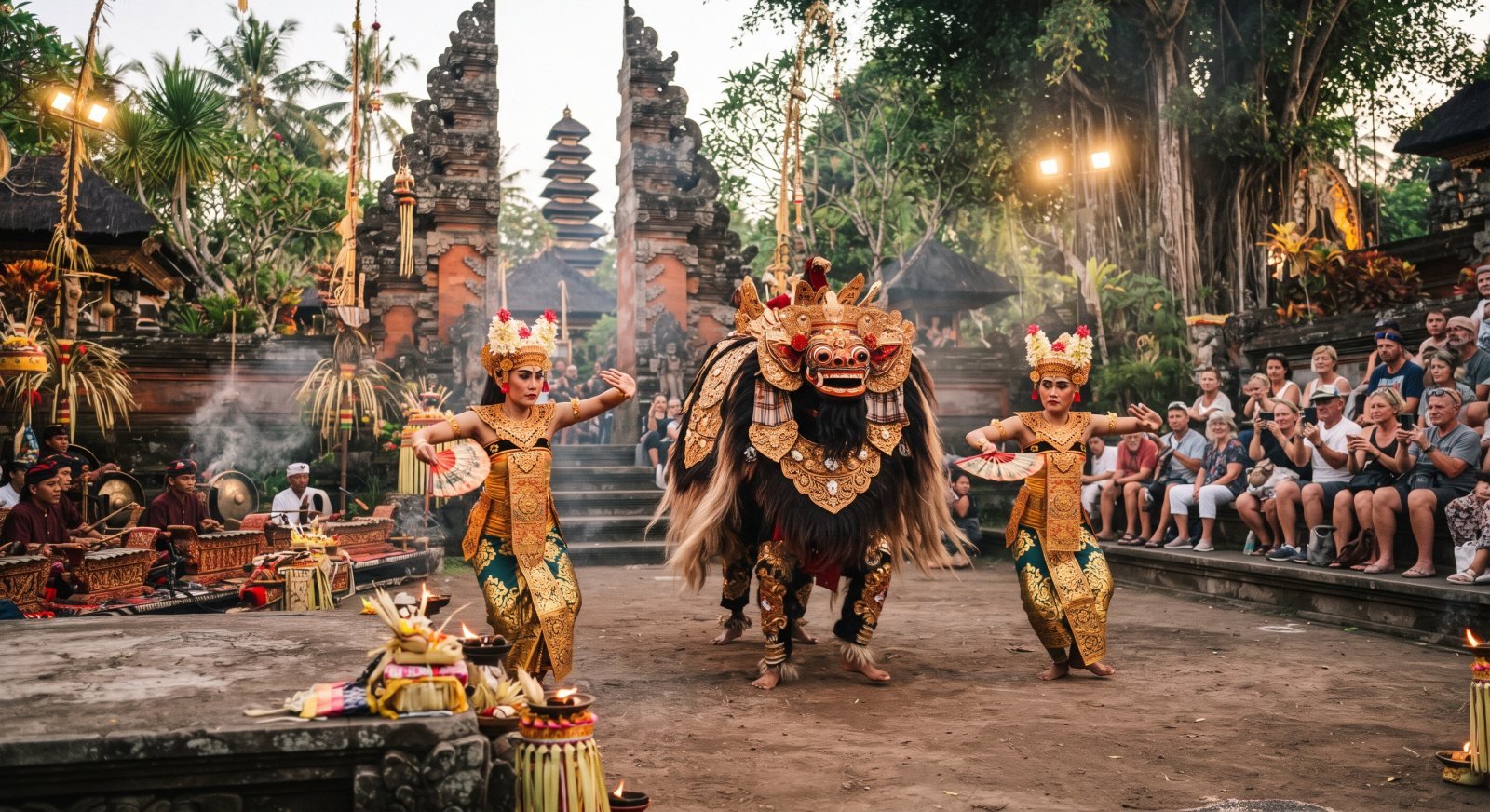 Art & Culture
Kecak, Legong and Barong: a guide to Balinese dance
Which Balinese dance should you watch, and where? The stories behind Kecak, Legong and Barong, the gamelan that drives them, and how to cho…
 Art & Culture
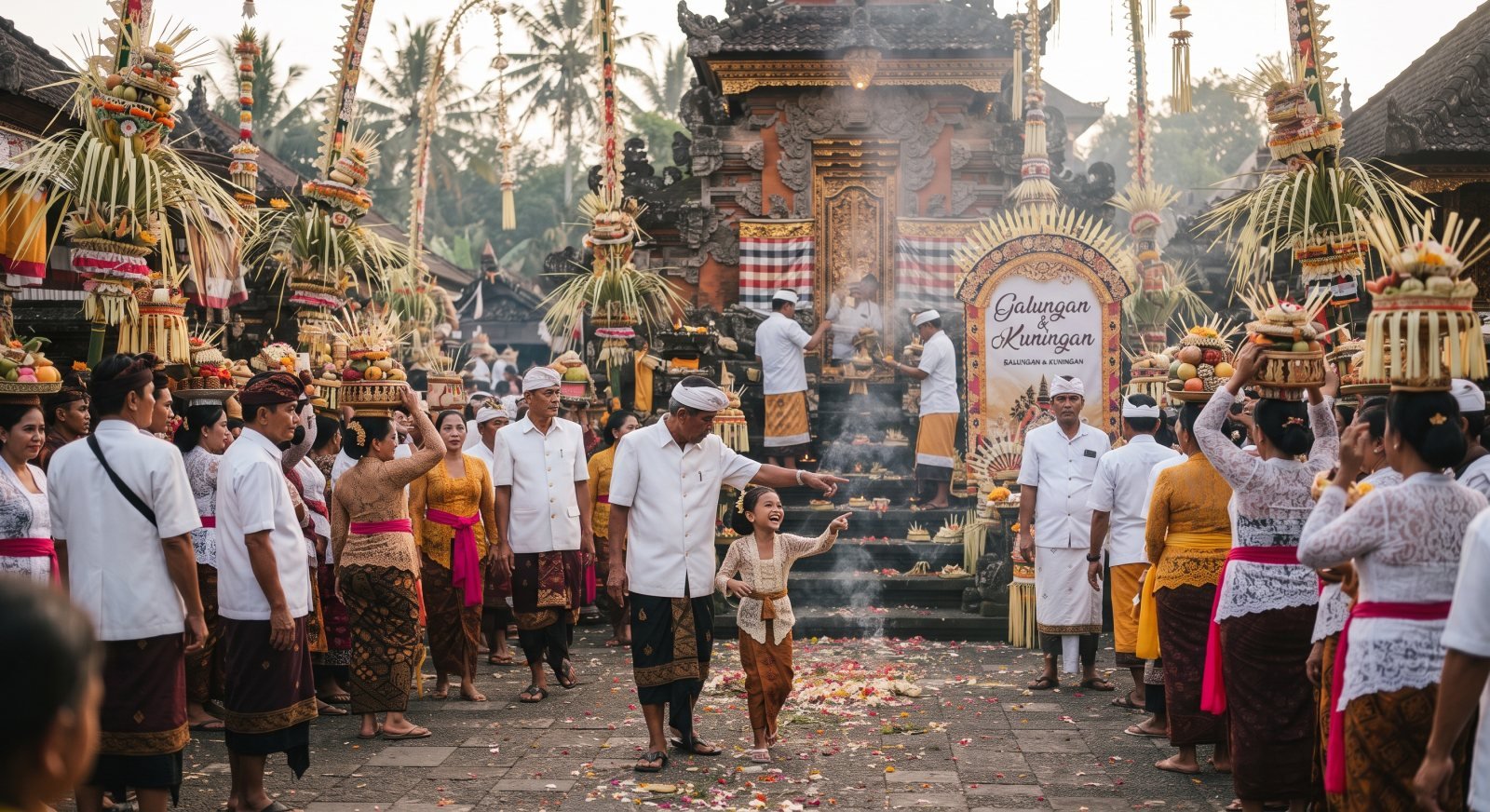
Galungan and Kuningan: when bamboo arches line every road in Bali
Every 210 days Bali celebrates the victory of dharma over adharma. Tall decorated bamboo poles appear outside every home — here is what Gal…
 Art & Culture
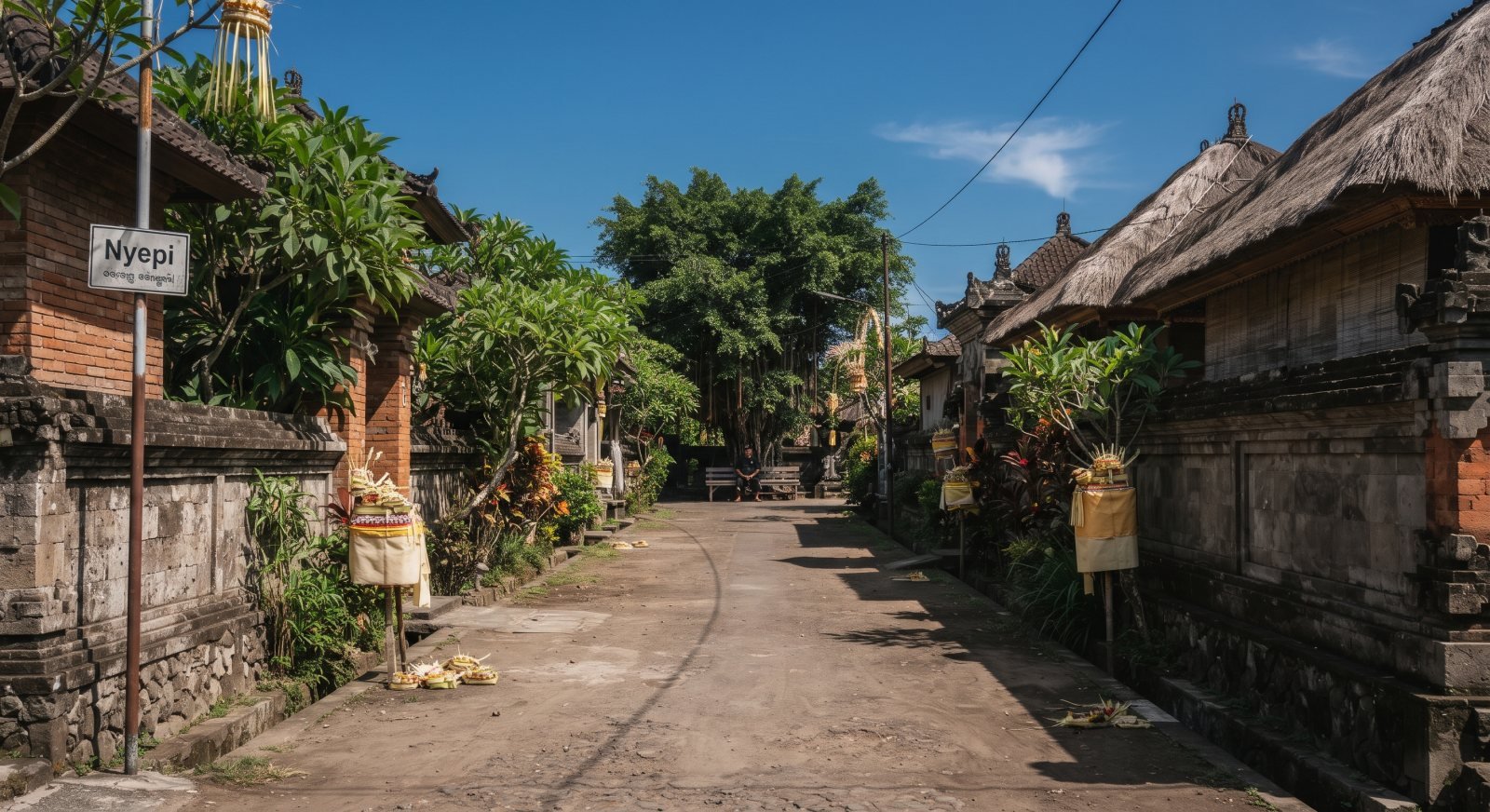
Nyepi, Bali's Day of Silence: a guide for visitors
Once a year the whole island stops: no flights, no traffic, no lights. What happens before, during and after Nyepi, and how to plan your ho…